
TIM Dispensing Systems Built for Abrasive Materials
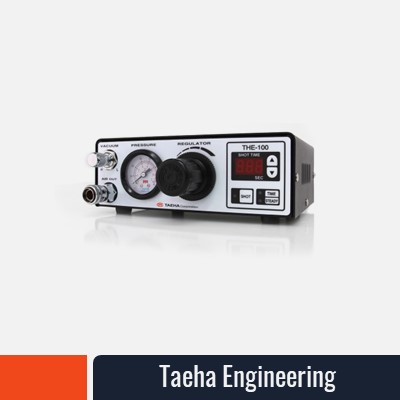
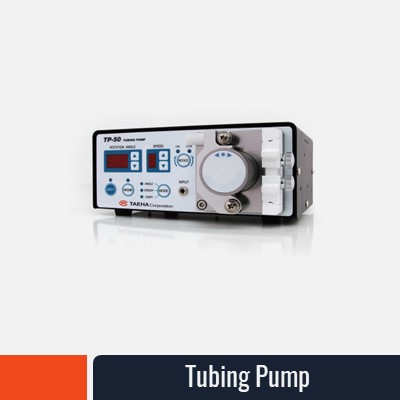
High-performance thermal interface materials demand equipment engineered for ceramic-filled fluids. We configure complete dispensing systems — pump, fluid path, agitation, temperature control — matched to your specific TIM and production requirements.
The Problem with Standard Dispensing Equipment on Abrasive TIMs
The ceramic fillers that give a TIM its thermal conductivity — aluminum oxide, boron nitride, zinc oxide — have a Mohs hardness close to diamond. At 50–80% filler loading, the material flowing through your system is essentially an abrasive slurry.
Standard stainless steel pumps, nozzles, and valve seats erode quickly under these conditions. Time-pressure systems lose shot weight accuracy as components wear. Heavy ceramic fillers migrate and settle, meaning the material dispensed at 8 a.m. has a different filler concentration — and different thermal conductivity — than material dispensed at 3 p.m.
The result is inconsistent bond line quality, unpredictable thermal performance, unplanned equipment downtime, and TIM you paid a premium for that isn't delivering the W/m·K value you specified.
Complete TIM Dispensing Systems, Configured for Your Material
We engineer systems around your specific TIM: filler type, specific gravity, viscosity, container format, and production volume.
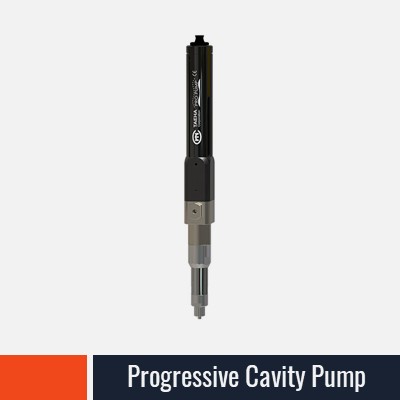
Progressive Cavity Pumps
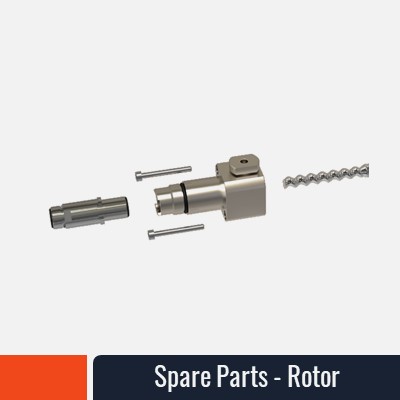
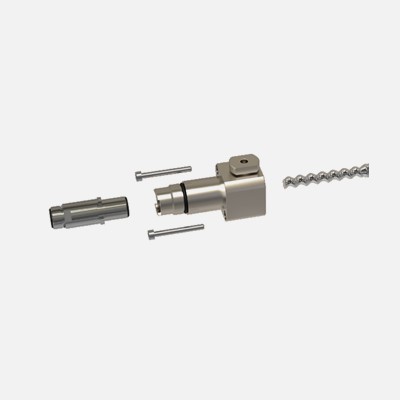
Solid tungsten carbide rotors in single and two-component configurations. Low-shear volumetric dispensing protects filler integrity and preserves the thermal conductivity you are paying for.
Integrated Agitation & Recirculation
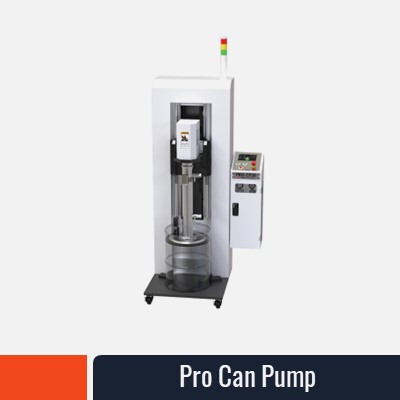
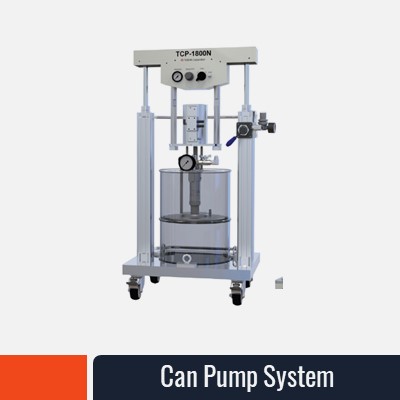
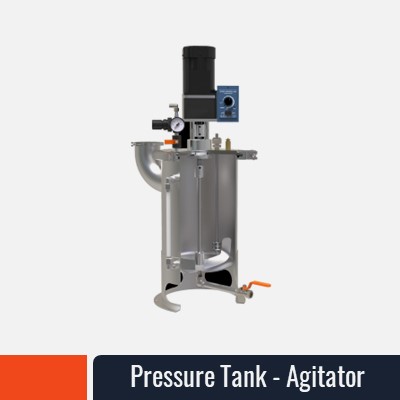
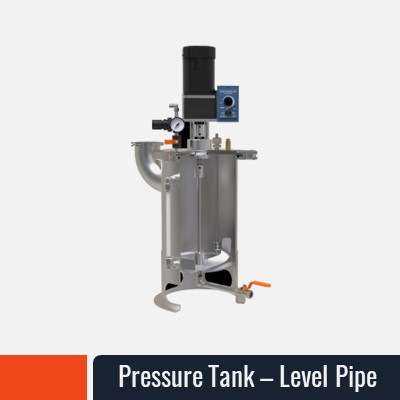
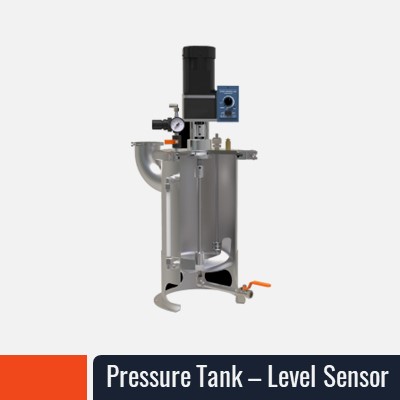
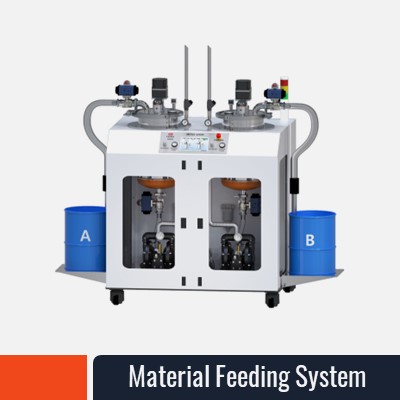
Our material handling systems recirculate material continuously inside pails, cartridges, or drums. This prevents filler settlement and ensures homogeneous material from the first shot to the last.
Precise Temperature Control
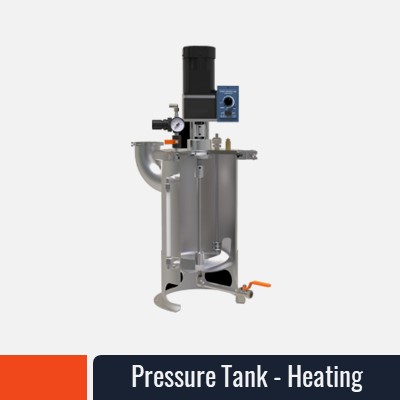
Stabilizes process viscosity under ambient temperature fluctuations. Ensures consistent flow characteristics, precise bead dimensions, and repeatable bond line thicknesses.
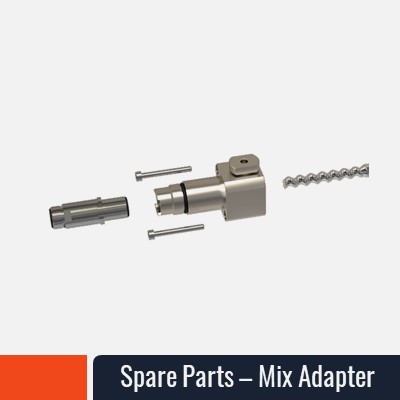
Wear-Resistant Fluid Path
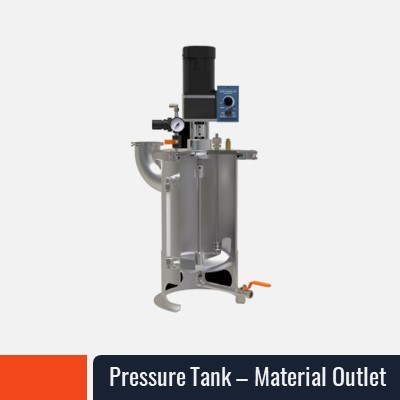
Tungsten carbide or hardened ceramic nozzles, abrasion-resistant lined hoses, and face-seal fittings. Every wetted component is specified to survive heavy filler loading.
Common Applications
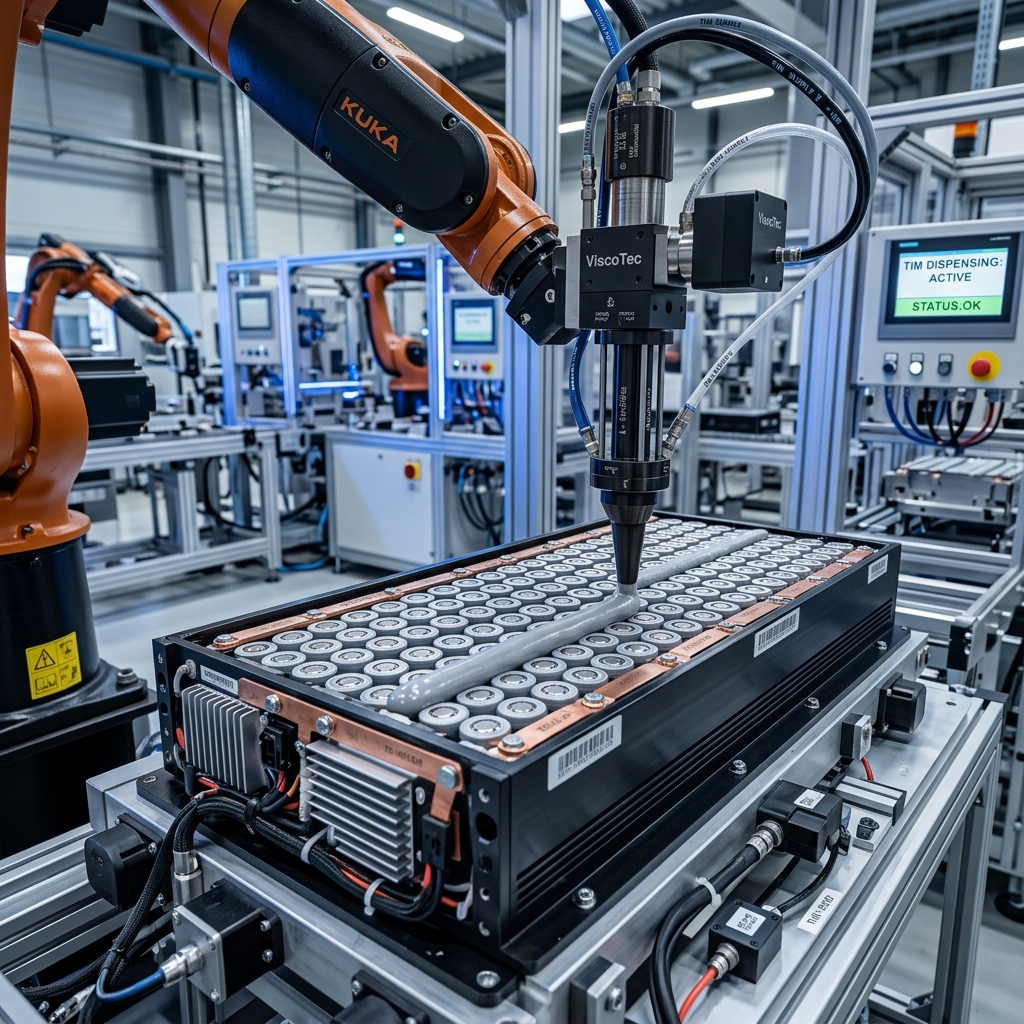
- EV battery module assembly — gap filler dispensing for cell-to-module and module-to-pack thermal management; high-volume pail or drum configurations.
- Power electronics potting — IGBT, inverter, and power module encapsulation with void-free requirements.
- 5G infrastructure — base station and antenna electronics thermal management.
- High-performance computing — server and GPU thermal interface application.
- Semiconductor packaging — precision TIM application for chip-scale thermal management.
Configuration Specifications
| Parameter | Specification Range |
|---|---|
| TIM viscosity | 10,000 – 500,000+ cP |
| Filler loading handled | Up to 80% by volume |
| Container formats | 180 ml cartridge → 20 L pail → 55 gal drum |
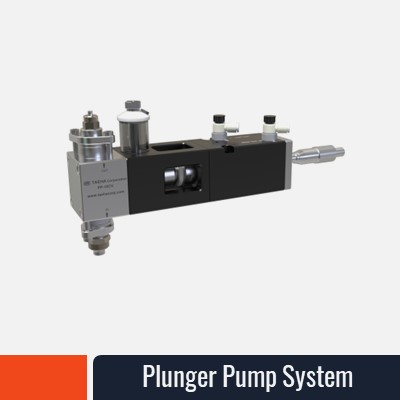
| Pump technology | Progressive cavity (primary), piston/shot meter |
| Shot volume range | 0.01 ml – continuous bead |
| Temperature control | Ambient to 60 °C material conditioning |
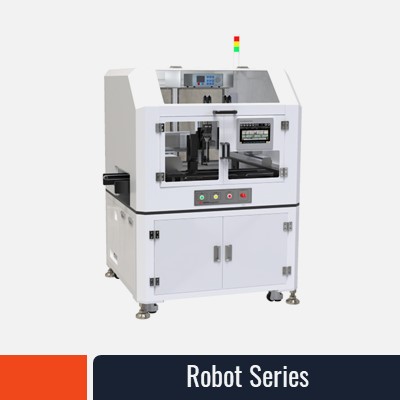
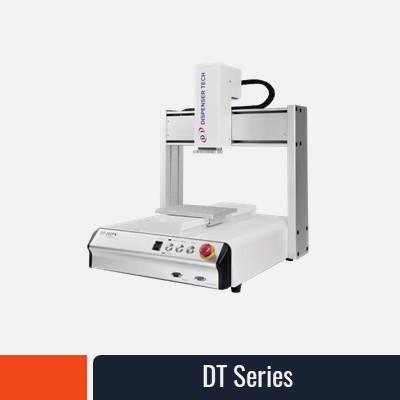
| Dispensing platform | Benchtop, gantry robot, 6-axis integration |
*All systems are qualified on your specific material and process parameters before shipment.*
How We Work With You
Application Review
You share your TIM (datasheet + sample), substrate details, bond area geometry, shot size or bead length, and production volume target. We review the material chemistry and process requirements.
Equipment Recommendation
We specify pump technology, fluid path materials, agitation configuration, and dispense platform matched to your application. For unfamiliar TIMs, we run initial testing before finalizing configurations.
Process Qualification
We qualify the process on the actual production equipment using your material, from your container format. We establish baseline metrics and confirm shot weight accuracy and bead geometry meet your specifications.
Production Support
We provide wear monitoring guidance, preventative maintenance schedules, and component replacement recommendations specific to your material's abrasivity and production volume.
Discuss Your TIM Application
Whether you're specifying equipment for a new production line, troubleshooting wear or accuracy problems on an existing system, or scaling from prototype to production — we can help. Tell us your material, container format, and volume targets and we will recommend the right system.