




G-1000 is a silicone 1K gap filler (moisture cure) from Shin-Etsu, rated 2.40 W/m·K. Typical uses: ECUs, IGBT power modules, LED assemblies, multi-substrate to one heat sink. Short answer: we dispense it with a PCP progressive cavity pump.
Material at a glance
| Manufacturer | Shin-Etsu |
|---|---|
| Type | 1K gap filler (moisture cure) |
| Chemistry | Silicone |
| Thermal conductivity | 2.40 W/m·K |
| Viscosity | 80 Pa·s |
| Cure | 7 days at 23 °C / 50% RH (condensation) |
From the manufacturer's published data (source). Always work from the current technical data sheet.
How we dispense it
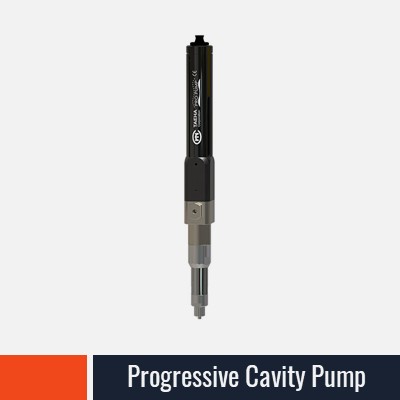
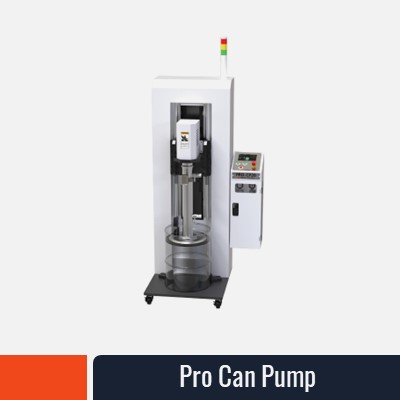
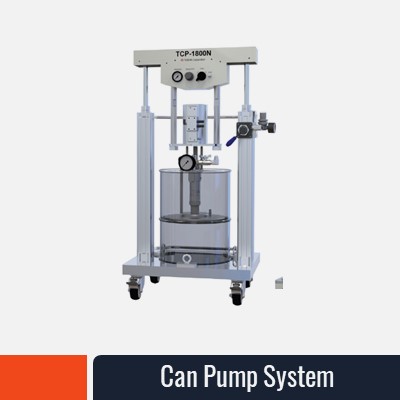
For a single-component gap filler we start with a PCP progressive cavity pump, fed from a cartridge for lab and low volume, or from a pail with a follower-plate pail pump for production. A progressive cavity pump meters by volume, so dot and bead size stay consistent. Pump size depends on your dot or bead size and cycle time.
- Abrasion: the ceramic filler that carries the heat wears pumps out. We use tungsten carbide rotors and wear-resistant stators and run the pump slowly, at 8 to 12 rpm, for long wear life.
- Dispense pattern: gap fillers are squeezed between the part and the housing, so the pattern (dots, lines or a star) decides coverage and whether air gets trapped.
See our PCP progressive cavity pumps, or use the pump configurator.
Frequently asked questions
What pump should I use to dispense G-1000?
For a single-component gap filler we start with a PCP progressive cavity pump, fed from a cartridge for lab and low volume, or from a pail with a follower-plate pail pump for production. Pump size depends on your shot or bead size and cycle time; send us those and we will size it.
Can G-1000 be fed from pails instead of cartridges?
Cartridges suit lab and low volume. Above that, a follower-plate pail pump feeds the metering pump directly, which cuts container changes and waste.
Does G-1000 need mixing?
No. It is a single-component material, so there is no mixer and no ratio to hold. The job is accurate, repeatable volumetric metering, which is what a progressive cavity pump does.
Will G-1000 wear out the pump?
Thermally conductive fillers are abrasive. With tungsten carbide rotors, wear-resistant stators and pump speeds of 8 to 12 rpm, stators typically last 6 to 12 months and rotors up to 24 months, and a pump rebuild takes under an hour.
Talk it through with us
Running G-1000, or about to? Send us the technical data sheet, your bead or shot size and your cycle time, and we'll recommend a pump and feed system. We can run an application test on your material before you buy. Contact us
Related materials
- SDP-5040 A/B · Shin-Etsu, 2K gap filler
- G-781 · Shin-Etsu, 1K gap filler (heat cure)
- BERGQUIST GAP FILLER TGF 4000 · Henkel Bergquist, 2K gap filler
- BERGQUIST GAP FILLER TGF 3600 · Henkel Bergquist, 2K gap filler
- BERGQUIST GAP FILLER TGF 4400LVO · Henkel Bergquist, 2K gap filler (low volatility)
- BERGQUIST GAP FILLER TGF 4500CVO · Henkel Bergquist, 2K gap filler (controlled volatility)
All thermal interface materials · Materials we've dispensed
G-1000 is a trademark of Shin-Etsu or its affiliates. Dispense Robotics is not affiliated with the manufacturer; the name is used to describe the material our equipment dispenses.