


KE-1867 is a silicone 1K thermal adhesive from Shin-Etsu, rated 2.00 W/m·K. Typical uses: Adhering and sealing where high thermal conductivity needed. Short answer: we dispense it with a PCP progressive cavity pump.
Material at a glance
| Manufacturer | Shin-Etsu |
|---|---|
| Type | 1K thermal adhesive |
| Chemistry | Silicone |
| Thermal conductivity | 2.00 W/m·K |
| Viscosity | 62 Pa·s |
| Cure | 1 h at 120 °C |
From the manufacturer's published data (source). Always work from the current technical data sheet.
How we dispense it
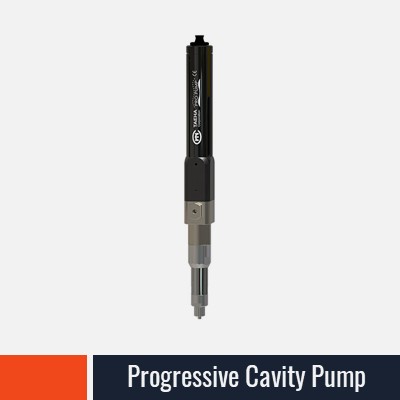
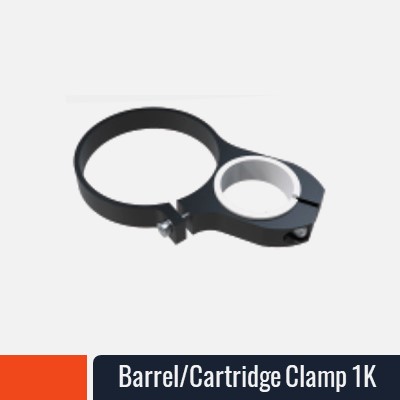
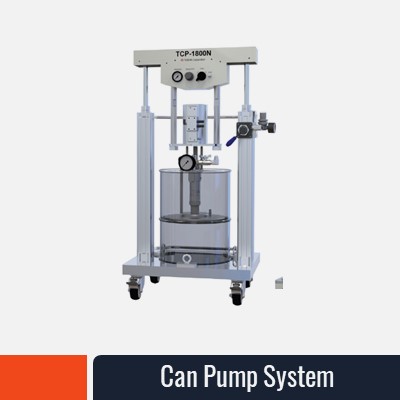
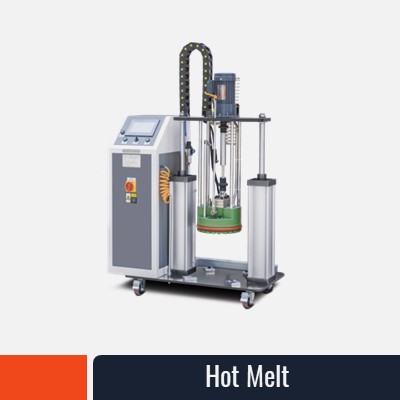
For a single-component thermally conductive adhesive we start with a PCP progressive cavity pump, fed from a cartridge for lab and low volume, or from a pail with a follower-plate pail pump for production. A progressive cavity pump meters by volume, so dot and bead size stay consistent. Pump size depends on your dot or bead size and cycle time.
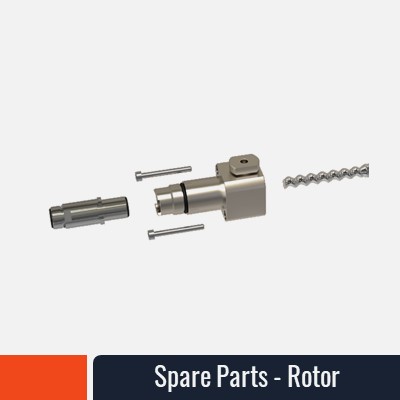
- Abrasion: the ceramic filler that carries the heat wears pumps out. We use tungsten carbide rotors and wear-resistant stators and run the pump slowly, at 8 to 12 rpm, for long wear life.
- Heat cure: the material is stable at room temperature in the pump and cures in the oven after assembly.
See our PCP progressive cavity pumps, or use the pump configurator.
Frequently asked questions
What pump should I use to dispense KE-1867?
For a single-component thermally conductive adhesive we start with a PCP progressive cavity pump, fed from a cartridge for lab and low volume, or from a pail with a follower-plate pail pump for production. Pump size depends on your shot or bead size and cycle time; send us those and we will size it.
Can KE-1867 be fed from pails instead of cartridges?
Cartridges suit lab and low volume. Above that, a follower-plate pail pump feeds the metering pump directly, which cuts container changes and waste.
Does KE-1867 need mixing?
No. It is a single-component material, so there is no mixer and no ratio to hold. The job is accurate, repeatable volumetric metering, which is what a progressive cavity pump does.
Will KE-1867 wear out the pump?
Thermally conductive fillers are abrasive. With tungsten carbide rotors, wear-resistant stators and pump speeds of 8 to 12 rpm, stators typically last 6 to 12 months and rotors up to 24 months, and a pump rebuild takes under an hour.
Talk it through with us
Running KE-1867, or about to? Send us the technical data sheet, your bead or shot size and your cycle time, and we'll recommend a pump and feed system. We can run an application test on your material before you buy. Contact us
Related materials
- KE-1891 · Shin-Etsu, 1K thermal adhesive
- BERGQUIST LIQUI BOND TLB SA2000 (Liqui-Bond SA 2000) · Henkel Bergquist, 1K thermal adhesive
- LOCTITE TLB 9300 APSi · Henkel Loctite, 2K thermal adhesive (structural, EV battery)
- LOCTITE TLB 9270APS · Henkel Loctite, 2K thermal adhesive (EV battery)
- CoolTherm UR-2000 · Parker LORD, 2K gap filler / thermal adhesive
- CoolTherm TC-2002 · Parker LORD, 2K thermal adhesive (structural)
All thermal interface materials · Materials we've dispensed
KE-1867 is a trademark of Shin-Etsu or its affiliates. Dispense Robotics is not affiliated with the manufacturer; the name is used to describe the material our equipment dispenses.