



Tflex CR350S is a silicone 2K gap filler from Laird, rated 3.6 W/m·K. Typical uses: Automotive, graphics chips, microprocessors, telecom base stations. Short answer: we dispense it with a PDP two-component progressive cavity metering pump with a static mixer.
Material at a glance
| Manufacturer | Laird |
|---|---|
| Type | 2K gap filler |
| Chemistry | Silicone |
| Thermal conductivity | 3.6 W/m·K |
| Mix ratio | 1:1 |
| Viscosity | 330,000 cps before combining (ASTM D2196) |
| Cure | 2 h at 70°C + 0.5 h at 100°C (guideline) |
| Packages | 50cc duo-cartridge (2x25cc); 400cc duo-cartridge; 600cc dual cartridge; 1 gal pail x2; 5 gal pail x2 |
From the manufacturer's published data (source). Always work from the current technical data sheet.
How we dispense it
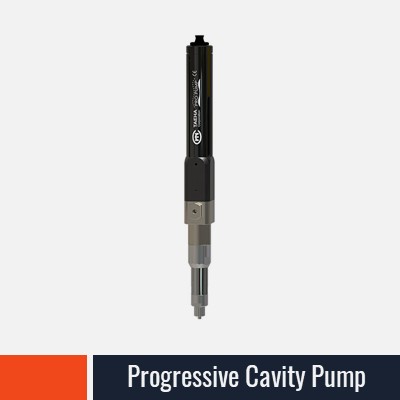
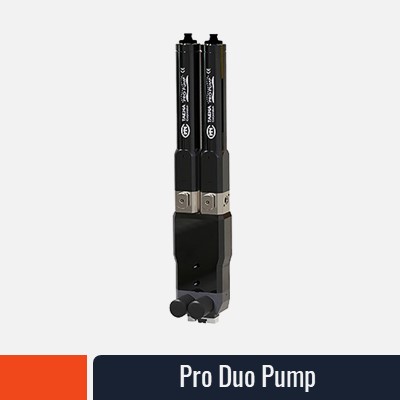
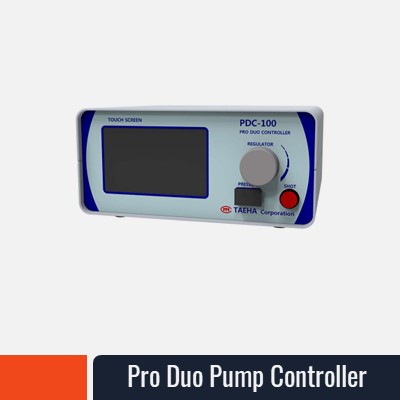
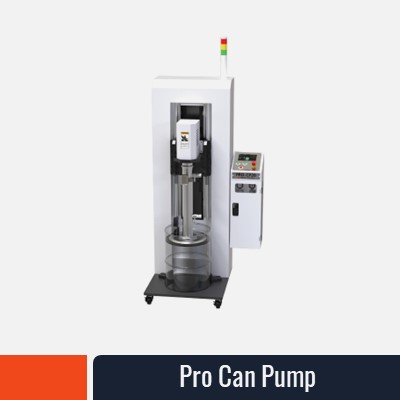
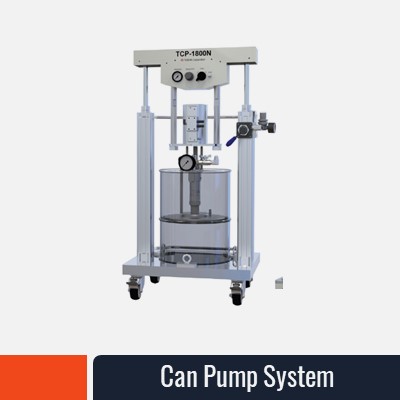
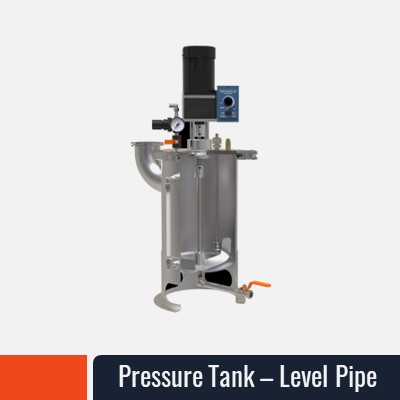
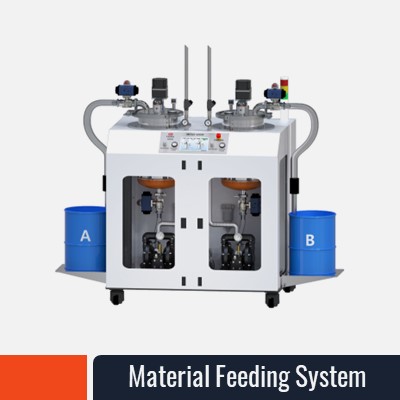
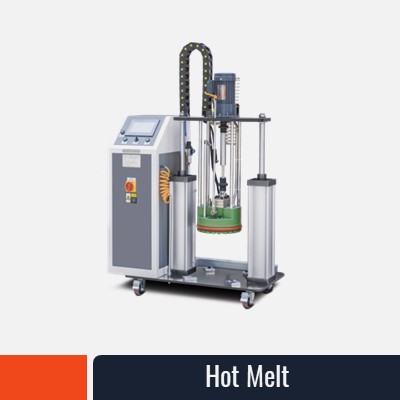
For a two-component gap filler we start with a PDP two-component progressive cavity metering pump and a disposable static mixer, fed from dual cartridges for lab and low volume, or from pails with a follower-plate pail pump for production. Pump size depends on your shot or bead size and cycle time.
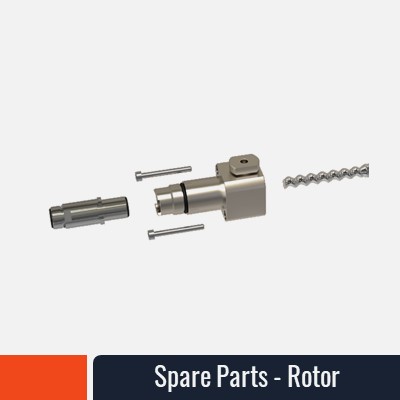
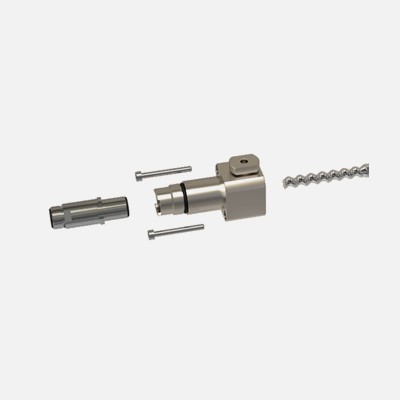
- Abrasion: the ceramic filler that carries the heat wears pumps out. We use tungsten carbide rotors and wear-resistant stators and run the pump slowly, at 8 to 12 rpm, for long wear life.
- Ratio: each side is metered by its own progressive cavity pump to within ±1%. Check ratio by weighing a shot from each side every week, because filled materials vary from batch to batch.
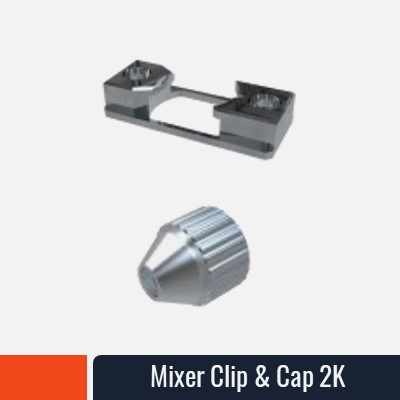
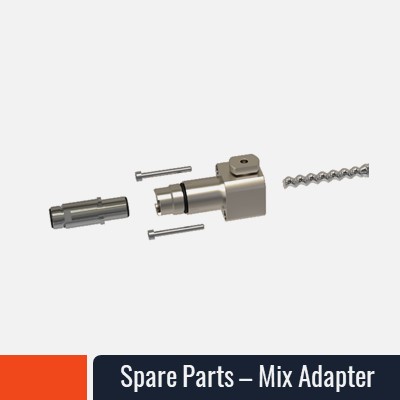
- Mixing: a disposable static mixer does the mixing. Purge or change it before the material's working life runs out.
- Dispense pattern: gap fillers are squeezed between the part and the housing, so the pattern (dots, lines or a star) decides coverage and whether air gets trapped.
See our PDP two-component metering pumps, or use the pump configurator.
Frequently asked questions
What pump should I use to dispense Tflex CR350S?
For a two-component gap filler we start with a PDP two-component progressive cavity metering pump and a disposable static mixer, fed from dual cartridges for lab and low volume, or from pails with a follower-plate pail pump for production. Pump size depends on your shot or bead size and cycle time; send us those and we will size it.
Can Tflex CR350S be fed from pails instead of cartridges?
Laird lists these packages: 50cc duo-cartridge (2x25cc); 400cc duo-cartridge; 600cc dual cartridge; 1 gal pail x2; 5 gal pail x2. Cartridges suit lab and low volume. Above that, a follower-plate pail pump feeds the metering pump directly, which cuts container changes and waste.
How do you keep Tflex CR350S on ratio?
Each side is metered by its own progressive cavity pump, held to within ±1% per side. We recommend a weekly check: weigh a shot from each side and adjust, because filled materials vary from batch to batch.
Will Tflex CR350S wear out the pump?
Thermally conductive fillers are abrasive. With tungsten carbide rotors, wear-resistant stators and pump speeds of 8 to 12 rpm, stators typically last 6 to 12 months and rotors up to 24 months, and a pump rebuild takes under an hour.
Talk it through with us
Running Tflex CR350S, or about to? Send us the technical data sheet, your bead or shot size and your cycle time, and we'll recommend a pump and feed system. We can run an application test on your material before you buy. Contact us
Related materials
- Tputty 607MF · Laird, 1K dispensable gap filler
- Tputty 910 · Laird, 1K dispensable gap filler
- Tputty SF560 · Laird, 1K dispensable gap filler
- Tputty 607 · Laird, 1K dispensable gap filler
- Tputty 508 · Laird, 1K dispensable gap filler
- Tputty 403 · Laird, 1K dispensable gap filler
All thermal interface materials · Materials we've dispensed
Tflex CR350S is a trademark of Laird or its affiliates. Dispense Robotics is not affiliated with the manufacturer; the name is used to describe the material our equipment dispenses.