



3M Thermally Conductive Epoxy Adhesive TC-2810 is an epoxy 2K thermal adhesive from 3M, rated 0.8–1.4 W/m·K. Typical uses: LED assembly, potting, general gap filling; BN-filled. Short answer: we dispense it with a PDP two-component progressive cavity metering pump with a static mixer.
Material at a glance
| Manufacturer | 3M |
|---|---|
| Type | 2K thermal adhesive |
| Chemistry | Epoxy |
| Thermal conductivity | 0.8–1.4 W/m·K |
| Mix ratio | 2:1 by volume (B:A) |
| Viscosity | Base 40,000-90,000 cps; accelerator 11,000-21,000 cps; mixed 40,000-80,000 cps (10 s-1) |
| Cure | 23°C 24 h; 50°C 270 min; 70°C 90 min; 90°C 30 min; 120°C 10 min (worklife 100-120 min) |
| Packages | 37 ml and 50 ml Duo-Pak cartridges (EPX applicator) |
From the manufacturer's published data (source). Always work from the current technical data sheet.
How we dispense it
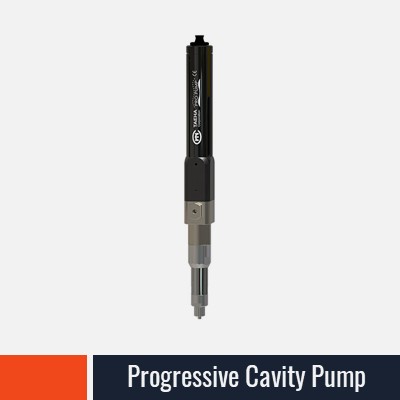
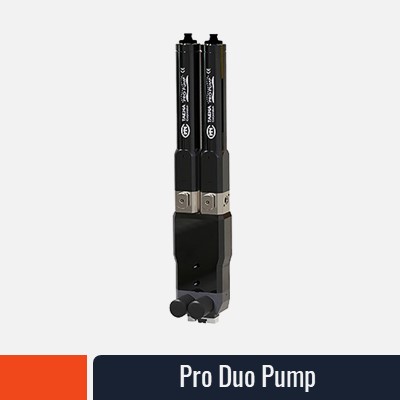
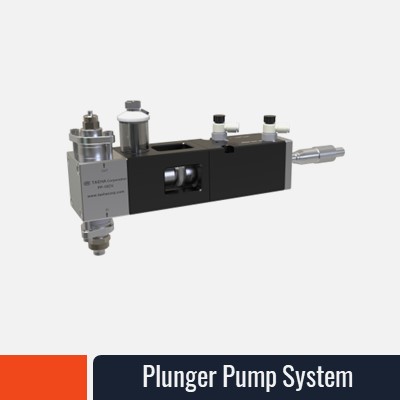
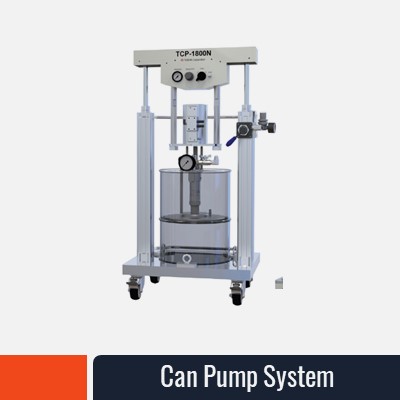
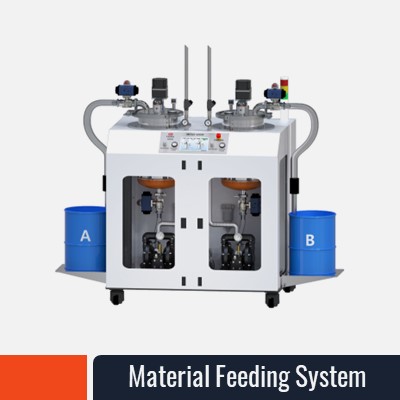
For a two-component thermally conductive adhesive we start with a PDP two-component progressive cavity metering pump and a disposable static mixer, fed from dual cartridges for lab and low volume, or from pails with a follower-plate pail pump for production. Pump size depends on your shot or bead size and cycle time.
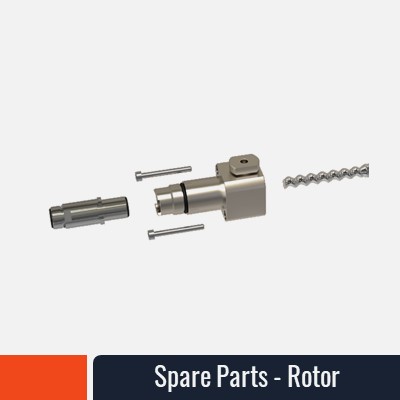
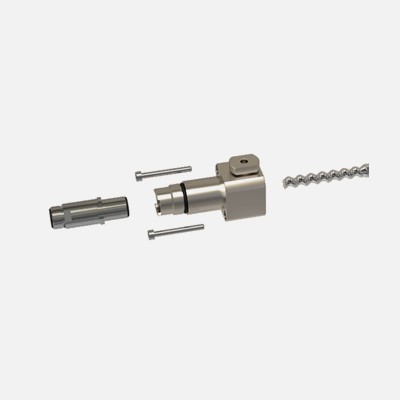
- Abrasion: the ceramic filler that carries the heat wears pumps out. We use tungsten carbide rotors and wear-resistant stators and run the pump slowly, at 8 to 12 rpm, for long wear life.
- Ratio: each side is metered by its own progressive cavity pump to within ±1%. Check ratio by weighing a shot from each side every week, because filled materials vary from batch to batch.
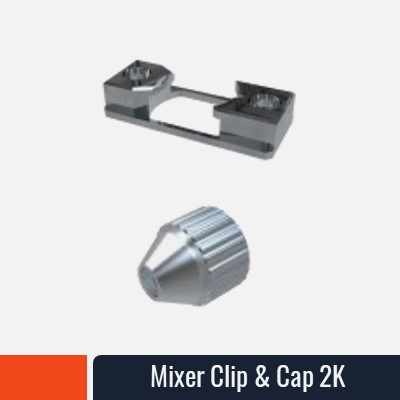
- Mixing: a disposable static mixer does the mixing. Purge or change it before the material's working life runs out.
See our PDP two-component metering pumps, or use the pump configurator.
Frequently asked questions
What pump should I use to dispense 3M Thermally Conductive Epoxy Adhesive TC-2810?
For a two-component thermally conductive adhesive we start with a PDP two-component progressive cavity metering pump and a disposable static mixer, fed from dual cartridges for lab and low volume, or from pails with a follower-plate pail pump for production. Pump size depends on your shot or bead size and cycle time; send us those and we will size it.
Can 3M Thermally Conductive Epoxy Adhesive TC-2810 be fed from pails instead of cartridges?
3M lists these packages: 37 ml and 50 ml Duo-Pak cartridges (EPX applicator). Cartridges suit lab and low volume. Above that, a follower-plate pail pump feeds the metering pump directly, which cuts container changes and waste.
How do you keep 3M Thermally Conductive Epoxy Adhesive TC-2810 on ratio?
Each side is metered by its own progressive cavity pump, held to within ±1% per side. We recommend a weekly check: weigh a shot from each side and adjust, because filled materials vary from batch to batch.
Will 3M Thermally Conductive Epoxy Adhesive TC-2810 wear out the pump?
Thermally conductive fillers are abrasive. With tungsten carbide rotors, wear-resistant stators and pump speeds of 8 to 12 rpm, stators typically last 6 to 12 months and rotors up to 24 months, and a pump rebuild takes under an hour.
Talk it through with us
Running 3M Thermally Conductive Epoxy Adhesive TC-2810, or about to? Send us the technical data sheet, your bead or shot size and your cycle time, and we'll recommend a pump and feed system. We can run an application test on your material before you buy. Contact us
Related materials
- 3M Thermally Conductive Epoxy Adhesive TC-2707 · 3M, 2K thermal adhesive
- BERGQUIST LIQUI BOND TLB SA2000 (Liqui-Bond SA 2000) · Henkel Bergquist, 1K thermal adhesive
- LOCTITE TLB 9300 APSi · Henkel Loctite, 2K thermal adhesive (structural, EV battery)
- LOCTITE TLB 9270APS · Henkel Loctite, 2K thermal adhesive (EV battery)
- CoolTherm UR-2000 · Parker LORD, 2K gap filler / thermal adhesive
- CoolTherm TC-2002 · Parker LORD, 2K thermal adhesive (structural)
All thermal interface materials · Materials we've dispensed
3M Thermally Conductive Epoxy Adhesive TC-2810 is a trademark of 3M or its affiliates. Dispense Robotics is not affiliated with the manufacturer; the name is used to describe the material our equipment dispenses.